

The RSPCA is renewing calls for action on breeding for extreme traits, with polling highlighting widespread public support for tighter regulation of breeding animals with exaggerated physical features.
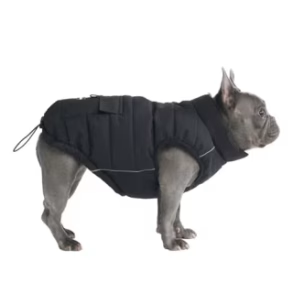
It comes on the one year anniversary of the Innate Health Assessment which was designed to highlight the devastating impact of breeding pets for appearance rather than prioritising health and welfare, with the charity’s own data revealing a 3,800% increase in French bulldogs coming into its care over the last decade.
The RSPCA’s polling also shows that 86% of UK adults surveyed want increased regulation of breeding companion animals with exaggerated features that impair their welfare, while 83% agree that pets suffer as a result of extreme physical traits. And, 79% believe promoting pets with extreme features through popular culture and fashion trends creates an ethical problem for animal welfare.
The Innate Health Assessment (IHA) for dogs was developed by Marisa Heath and Vanessa Barnes of the All-Party Parliamentary Group for Animal Welfare (APGAW), in conjunction with Professor Dan O’Neill at the Royal Veterinary College (RVC). The RSPCA is among more than 30 veterinary and animal welfare organisations endorsing the tool, which has also gained recognition and support from local government and international veterinary bodies.
The free online tool provides a visual checklist of 10 key physical features that can often be exaggerated through selective breeding for aesthetic reasons, but can have a significant impact on a dog’s health and quality of life. It aims to help prospective owners, breeders and the wider public recognise harmful physical traits and make more informed decisions that prioritises health over appearance.
Vanessa Barnes, APGAW Legal Advisor, said: “The launch of the Innate Health Assessment tool was an important milestone in tackling the welfare problems caused by extreme conformation in dogs.
“One year on, we’re encouraged by the support the tool has received from across the veterinary and animal welfare sectors. The IHA provides a practical way to help breeders, prospective owners and others recognise harmful physical features and make choices that put animal health and welfare first.
“But this is just the beginning. We need to see a wider shift in attitudes towards breeding for healthier animals, alongside meaningful action to prevent avoidable suffering.”
The RSPCA believes the assessment is an important step in tackling a much wider welfare problem, which is explored in its report, The Shape of Suffering. The report highlights how intentional breeding for exaggerated or unnatural physical features is affecting a wide range of animals, including dogs, cats, rabbits, reptiles, birds and fish, and calls for action to end breeding that compromises animal welfare.
The scale of the problem is reflected in the charity’s own data. In 2016, the RSPCA took in just six French bulldogs or Frenchie crosses, compared with 234 in 2025 – an increase of 3,800%. The charity has also seen rising numbers of other breeds with exaggerated physical features coming into its national centres including pugs, British bulldogs and Old English bulldogs.
Features that some people find appealing, such as flattened faces, bulging eyes, excessive skin folds and shortened legs, can be associated with serious health problems including breathing difficulties, eye disease, skin infections and spinal conditions. Many affected animals can face lifelong health problems, repeated veterinary treatment and a reduced quality of life.
Ashleigh Brown, Scientific and Policy Manager at the RSPCA, said: “Breeding animals with exaggerated physical traits is one of the biggest welfare issues facing pets today, and a priority issue for the RSPCA.
“That’s why we’re so pleased to see the traction the IHA has gained in its first year. Raising awareness of the harm caused to pets by extreme features that impair their quality of life is fundamental to preventing the avoidable suffering that, sadly, still affects so many.
“We are a nation of animal lovers, but unfortunately this hasn’t prevented the intentional breeding of harmful, exaggerated physical traits into the animals we love. Some of these features have become so normalised that people don’t always recognise the suffering they cause. We need to change the way we think about healthy-looking pets, and prioritise welfare over aesthetics.
“Animals are not accessories, and no animal should have to suffer simply to meet a particular look or trend that humans find appealing.”
The RSPCA is continuing to highlight the dangers of breeding for extreme traits, through its Fashion Victims campaign, and its documentary, Flawed by design: the hidden cost of the ‘perfect’ pet, to challenge perceptions of what makes a desirable pet and highlight the suffering that can sit behind seemingly cute or fashionable features.
Building on the success of the IHA for dogs, the charity is also contributing to the development of a similar assessment tool for cats, recognising that feline welfare can also be compromised by breeding for exaggerated physical traits.
The charity has seen an increase in the number of cats with exaggerated physical features coming into its care in the last five years, including Persians (900% increase) and British shorthair cats (a 322% increase), while there have already been 15 sphynx cats coming into the charity’s care in 2026, compared with just one a decade ago.
Ashleigh added: “We’re concerned about the harm caused to all companion animals bred with harmful features, so we’re pleased to be supporting the development of a similar tool for cats.
“We want to see a future where health and welfare, rather than appearance, are the priority when breeding and choosing companion animals.”
The RSPCA is encouraging anyone considering buying or breeding a companion animal to look beyond appearance and always prioritise health and welfare. The free Innate Health Assessment for dogs can help people identify potentially harmful physical features and make more informed choices.
This post was originally published on this site be sure to check out more of their content.