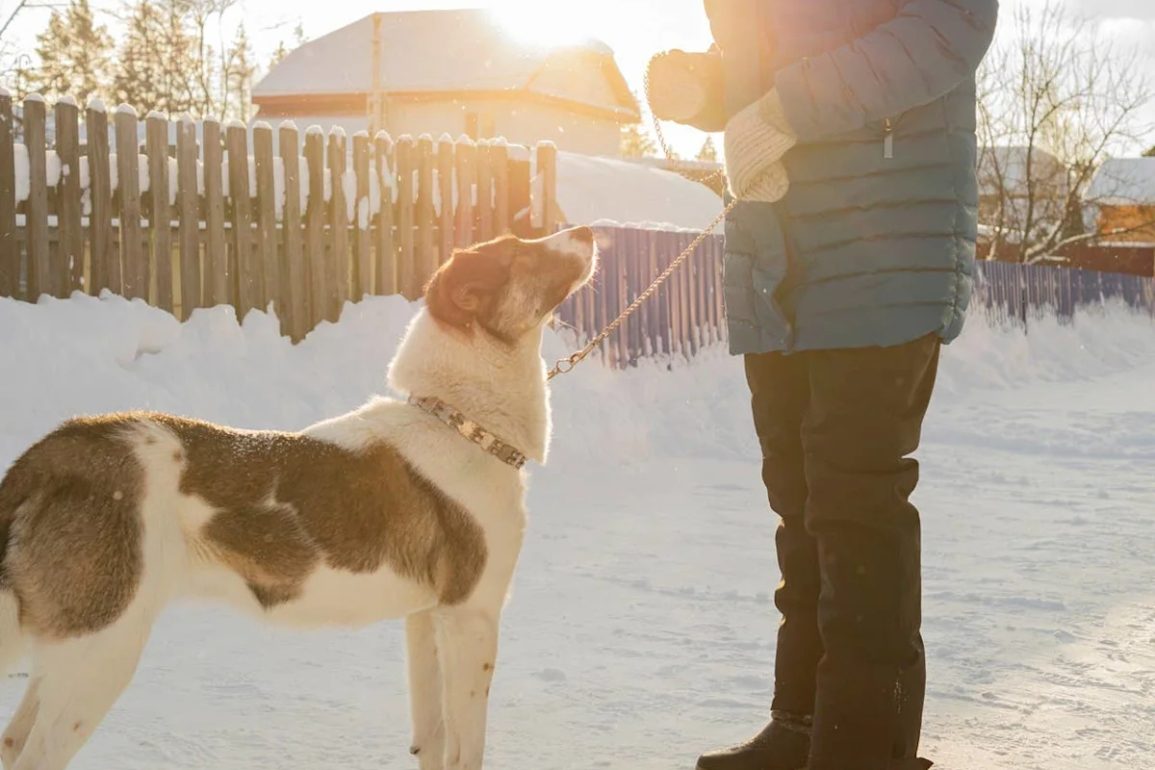
There’s something special about taking a walk with your dog in the snow, whether it’s their excited tail wagging when you grab the leash or the way they stop to sniff just about every tree, mailbox, and patch of grass along the way. But as dogs get older, those familiar walks can become a little more complicated, especially when winter rolls around. The chilly temperatures that might feel refreshing to us can be much harder on senior dogs, whose bodies may not handle the cold quite as comfortably as they once did.
While some older pups are still eager to bundle up and head outside, others may start slowing down, shivering, or looking for the quickest route back indoors. Age-related changes, joint stiffness, and certain health conditions can make cold weather particularly uncomfortable for senior dogs. That raises an important question for owners: How cold is too cold for senior dogs to be out on a walk, and when is it better to stay home?
The answer isn’t necessarily the same for every dog. Factors like breed, size, coat thickness, overall health, and age can all affect how well a dog tolerates chilly temperatures. To help you decide when it’s safe to take your older best friend outside, veterinarians explain what temperatures are too cold for senior dogs, which warning signs to watch for, and how to keep winter walks safe and comfortable.
How Cold Is Too Cold for Senior Dogs to Be on a Walk?
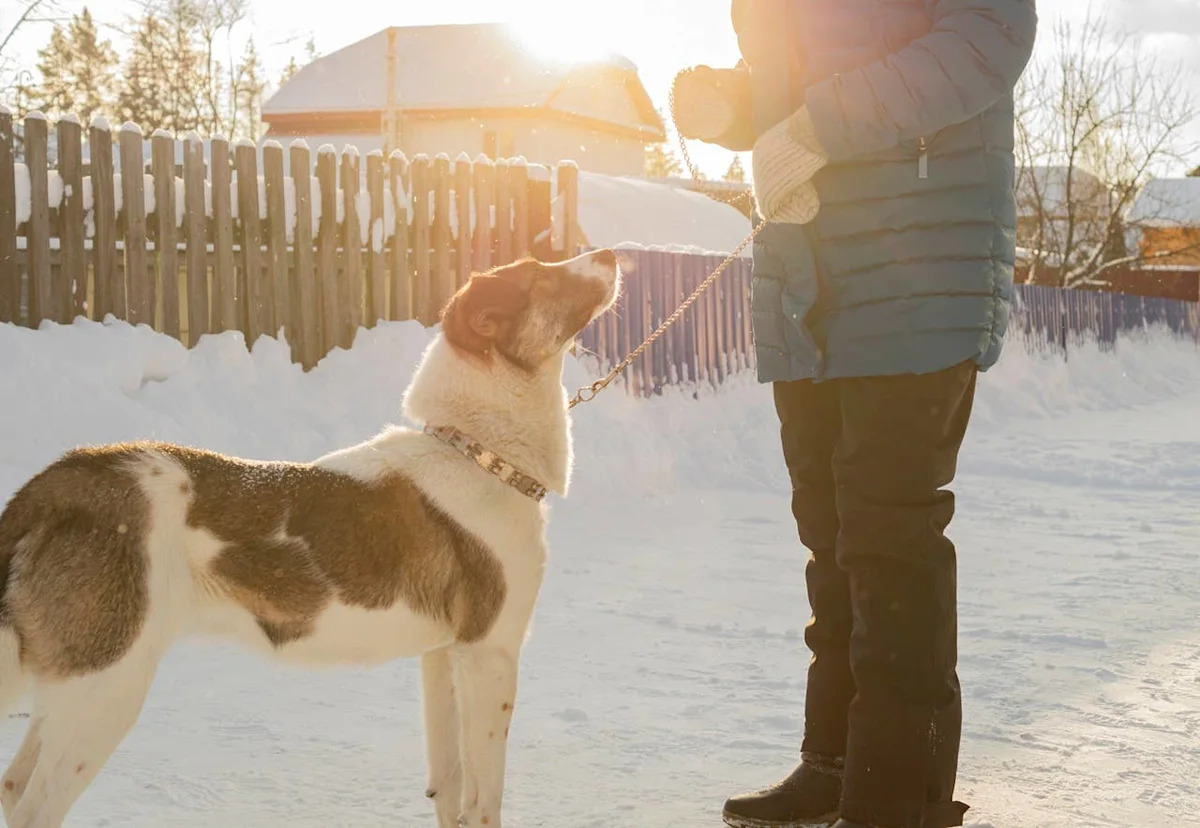
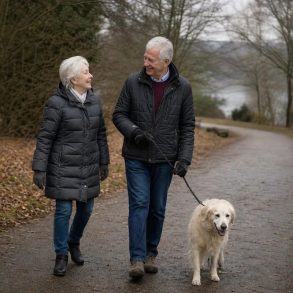
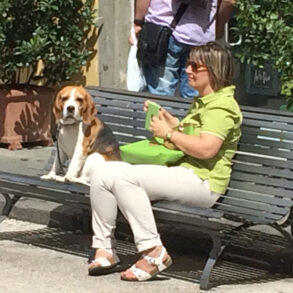
A senior dog getting cold while out on a walk.Getty Images MarinaKuzminykh
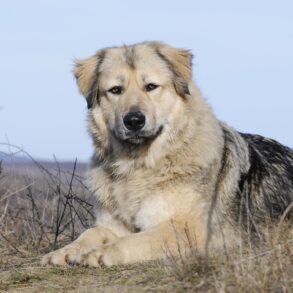
Walking senior dogs in winter is different from taking out an adult dog or a puppy. While every senior dog is different, there are still certain guidelines you should follow. “A healthy older Husky with a thick coat may still enjoy winter weather, while a much younger, short-haired dog might be uncomfortable after just a few minutes,” Jo Myers, DVM, a veterinary advisor at Vetster points out.
Advertisement
Advertisement
Aliya McCullough, DVM, chief veterinary officer at Fetch Pet Insurance recommends keeping a close eye on your senior dog when temperatures drop below 50 degrees, and bringing your pup back inside if they show signs they’re getting cold.
How Arthritis and Age-Related Issues Can Make Cold Weather Harder on Older Dogs
As a pet parent of an older dog, their health and care is most likely always on your mind. That’s why cold weather safety for older dogs is important.
“Similar to puppies, senior dogs can also have difficulty regulating their body temperatures, so they can get cold faster than adults,” says Chyrle Bonk, DVM, a veterinarian at Embrace Pet Insurance.
Myers agrees and adds that older dogs are also more likely to have problems such as arthritis, reduced muscle mass, or chronic illness that can make cold weather harder to tolerate. “If your dog has joint pain or reduced mobility, slippery surfaces make it harder for them to get around,” Myers says.
Advertisement
Advertisement
Overall, if you have concerns about your dog’s ability to navigate the cold, it’s best to consult with your vet. They should be able to offer personalized advice.
Sources:
This story was originally published by PetHelpful on Nov 19, 2026, where it first appeared in the Dogs section. Add PetHelpful as a Preferred Source by clicking here.
This post was originally published on this site be sure to check out more of their content.