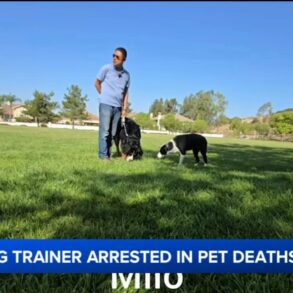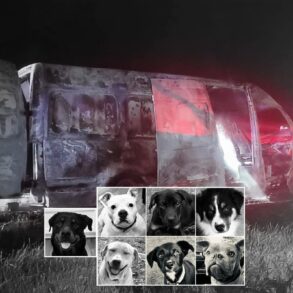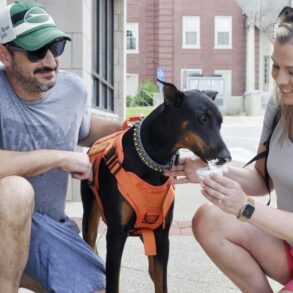


It had only been 48 hours since dropping Dunkin off when Madeleine White and Andrew Fedyk received a phone call: Their 2-year-old Bernese Mountain Dog was dead.
Fedyk shared in an Instagram post that he was “heartbroken and genuinely astounded” that a boarding and training facility he believed had shown such incompetence was allowed to operate. The influencer couple took to Instagram to share what had happened, and soon began receiving messages from other dog owners alleging other troubling experiences. In a follow-up post, they shared anonymous accounts who claimed their dogs had become seriously ill, injured, or even died while in the trainer’s care.
Life: This Everyday Household Item Can Become A Serious Danger To Your Pet — Here’s How To Protect Them
The story raises a terrifying question for any pet owner: How do you actually know the person or facility you’re trusting with your dog is safe?
The Biggest Mistake Pet Owners Make When Choosing A Boarding Facility
The biggest mistake, according to experts, is assuming “someone is qualified to care for your dog simply because they operate a pet care business,” said Cassie Meyer, owner of All Paws Retreat.
Advertisement
Advertisement
It may sound counterintuitive, but just because a pet boarding facility is licensed to operate doesn’t necessarily mean the people working there have received formal training in animal care.
Massachusetts sought to address this gap with the passage of Ollie’s Law in 2024, named after a 7-month-old Labradoodle who was mauled to death by other dogs at a boarding and daycare facility in 2020. The legislation establishes new safety standards and training requirements for kennel owners and staff. However, these protections only apply in Massachusetts, with regulations varying from state to state.
Life: This Super Common Dog Owner Habit May Be Shaving Years Off Your Pet’s Life
The Red Flags You Should Never Ignore
Before leaving your dog in someone else’s care, Dr. Katie Krebs, associate clinical professor of veterinary medicine at the University of Pennsylvania, recommends doing a little homework. Checking a facility’s online ratings is a good place to start, but they shouldn’t be the only thing you rely on.
Advertisement
Advertisement
“Beyond online reviews, I recommend touring facilities and speaking with staff if possible, and asking friends, family or local veterinary professionals for recommendations of facilities they have had good experiences with,” she said.
And if a facility seems reluctant to show you where your dog will be staying? That’s worth a closer look.
“A lack of transparency is probably the biggest red flag,” said Dr. Sebastien Kfoury, doctor of veterinary medicine and the vice president of medical operations at VCA Canada. “If they don’t want you to see where your dog will stay… I would be very cautious.”
News: ‘Affectionate’ Dog Allegedly Abandoned At Airport By Owner Going To Departure Gate
Once you’re there, take a good look around. Are the kennels clean? Do the dogs seem comfortable? Are staff members keeping a close eye on them?
Advertisement
Advertisement
“Other concerns include overcrowding, strong odors, obvious poor sanitation, inadequate pet supervision, and unqualified staff,” Krebs said.
But it’s not just the physical space that matters. Pay attention to how the staff interacts with the dogs, too.
“And one of my favorite signs is whether staff seem to know the individual dogs they’re caring for,” Kfoury said. “That tells me much more than fancy rooms or webcams.”
Like this article? Keep independent journalism alive. Support HuffPost.

Don’t board your dog at a facility without doing a thorough check with the employees. Plan Shooting 2 / Imazins via Getty Images
The Questions You Should Ask Before Leaving Your Dog
No one wants to imagine an emergency, especially when you’re about to leave your best friend in someone else’s care. But according to Krebs, that’s exactly the kind of conversation you should be having before dropping off your dog.
Advertisement
Advertisement
“If the facility cannot or will not explain its emergency procedures, protocols, or staff qualifications, I would hesitate to leave a pet there,” she explained.
Home: What Your Dog Is Really Trying To Tell You With That ‘Guilty’ Look
Kfoury recommends asking one very simple question: “If my dog becomes sick at 2 in the morning, who notices and what happens next?”
A good emergency plan should cover everything from who’s supervising the dogs overnight to which veterinary hospital they’ll be taken to if something goes wrong. You’ll also want to know how your dog will get there, when you’ll be notified, and what happens if the facility can’t reach you.
Advertisement
Advertisement
And it’s not just medical emergencies you need to think about. Even if you’re not enrolling your dog in a training program, it’s worth asking how staff handle unwanted behavior, whether that’s excessive barking, fear, or trouble getting along with other dogs.
“Talk to the people who will actually care for your dog. Not just the owner,” Kfoury said. And if you’re considering a board-and-train program, ask about the training methods used. Krebs cautions against facilities that rely on punishment, intimidation, or aversive training techniques, which could harm your dog.
Finds: This Pet Item Gives Dogs A Sense Of Comfort And Security — And A Vet Says You Need One
Finally, don’t overlook vaccination requirements. Krebs warns that facilities that don’t require proof of vaccination or have appropriate infectious disease protocols in place could put your pet at risk, particularly when dogs from multiple households are sharing the same space.
Advertisement
Advertisement
Ultimately, choosing a boarding facility isn’t about finding the fanciest accommodations or the longest list of amenities. It’s about finding somewhere your dog will be safe, comfortable and properly cared for.
As Kfoury puts it, “The best boarding facility isn’t necessarily the fanciest one. It’s the one that knows your dog.”
This post was originally published on this site be sure to check out more of their content.